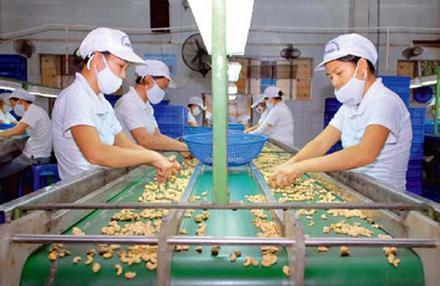
Vietnam is currently one of the largest cashew processing and export centers in the world. With a strongly developed factory system in Binh Phuoc, Dong Nai, Binh Duong and the Central Highlands region, Vietnam's cashew industry has built large-scale processing capacity, increasingly modern technology and a widespread customer network.
The year 2025 marks an important milestone when Vietnam exports about 766,585 tons of cashew nuts, reaching a turnover of more than 5.23 billion USD. China became the largest export market, followed by the United States, the Netherlands and many countries in Europe, the Middle East and Asia. This result continues to affirm Vietnam's important role in the global cashew supply chain.
Advantages of Vietnam's cashew processing industry
Vietnam's competitiveness comes not only from output but also from operating experience, automated machinery systems and the ability to meet many international quality standards. Domestic businesses can provide a variety of products, from white cashew kernels, salted roasted cashews, seasoned cashews to consumer packaged products.
Free trade agreements such as EVFTA, CPTPP and RCEP continue to create conditions for Vietnamese businesses to expand their markets. For many markets under RCEP, Vietnam's semi-processed cashew kernels enjoy 0% import tax, creating an additional competitive advantage in international trade.
Big challenge in raw material sources
Despite possessing large processing capacity, Vietnam's cashew industry still depends significantly on imported raw materials. In 2025, Vietnam will import more than 2.9 million tons of raw cashew nuts worth about 4.5 billion USD, mainly from Cambodia and African countries. Meanwhile, export turnover reached more than 5.2 billion USD, showing that the actual added value of processing activities is still relatively limited.
In addition, many raw cashew producing countries in Africa are investing in domestic processing factories to retain economic value. This trend may reduce the source of export raw materials and create direct competition with Vietnamese businesses in the international cashew market. This is one of the strategic risks that the cashew industry needs to prepare for soon.
Shifting from outsourcing to deep processing
To improve efficiency, Vietnam's cashew industry needs to strongly shift from exporting semi-processed cashew kernels to high-value deeply processed products. Potential development directions include roasted cashews, flavored cashews, cashew butter, cashew milk, cashew powder, nutritional bars and packaged products with Vietnamese brands.
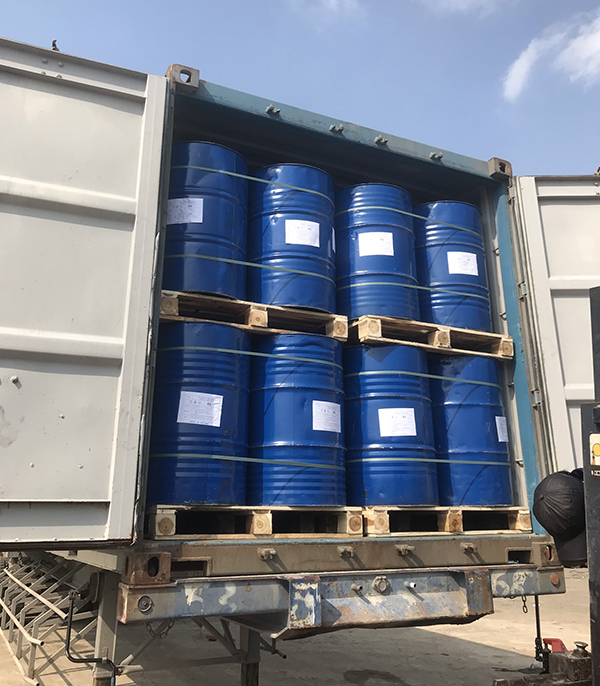
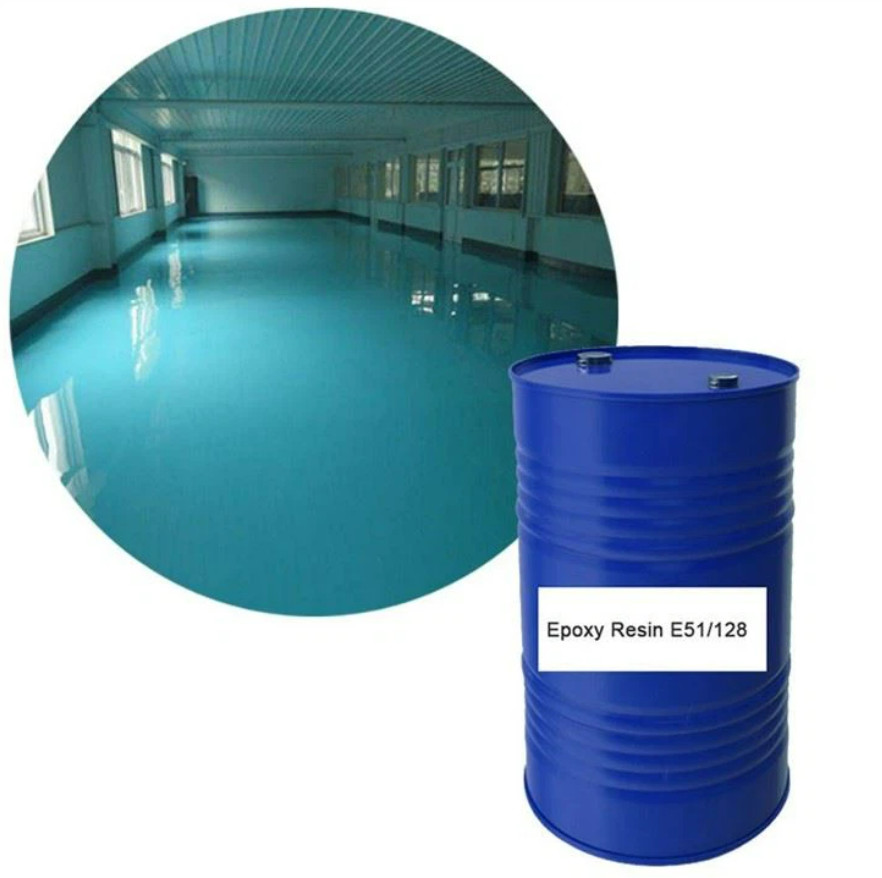
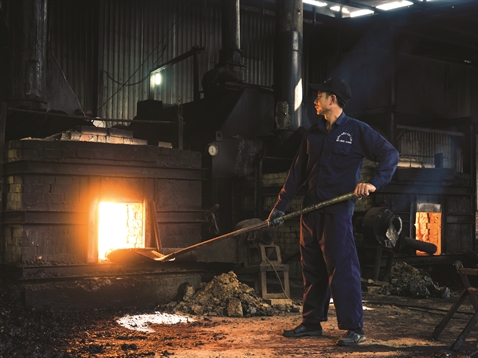
Besides the kernel, by-products from the processing process also have significant commercial value. Cashew nut shells can be used to produce cashew nut shell oil – Cashew Nut Shell Liquid (CNSL). This is a renewable raw material source with many applications in the production of cardanol, bioplastics, epoxy curing agents, coatings, friction materials, industrial fuels and biologically derived chemical products.
Utilizing cashew shells to produce CNSL not only helps increase the value per ton of raw materials but also supports businesses in reducing waste, improving resource efficiency and gradually building a circular economic model in the cashew industry.
Development Market outlook
Vietnam's cashew processing market still has a lot of potential thanks to the growing demand for nutritious foods, plant-based products and biological materials. However, growth in the next period will not only be determined by export output.
Enterprises need to focus on traceability, food safety, automation, effective use of by-products and developing products with their own brands. Transitioning from a processing center to a deep, sustainable processing value chain with the ability to control raw materials will be an important direction to help Vietnam's cashew industry maintain its long-term position in the global market.



Comments (0)
There are no comments yet. Be the first to share your thoughts!